Cookbook clubs are everywhere right now. They’re all over TikTok and Instagram — candlelit tables, linen napkins, annotated cookbooks, friends passing around homemade pasta like they casually do this every week. It looks effortless. Cozy. Very “we just threw this together.” And in a time where we’re all craving more connection and fewer surface-level catch-ups, it makes sense. But here’s the part no one really talks about: starting one can feel… daunting.
Who do you invite? How do you keep it from turning into a chaotic potluck? What if it fizzles out after two months? The truth is, a cookbook club only feels effortless because someone quietly made it structured.
So if you’ve been saving those posts and thinking, we should do this, here are five practical tips you need to know to actually start a cookbook club — and keep it going.
1. Keep the Group Small (4–5 Max)
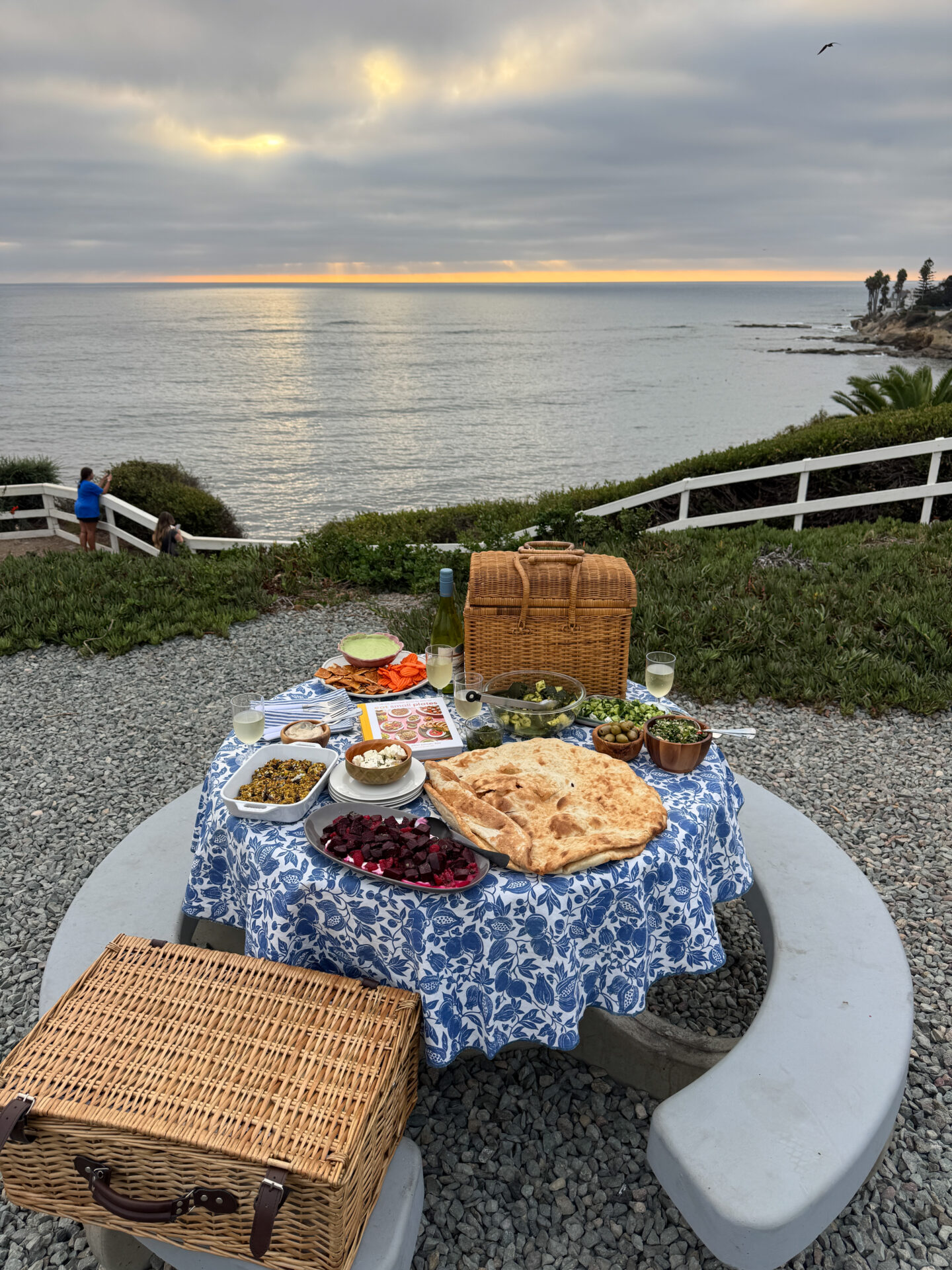
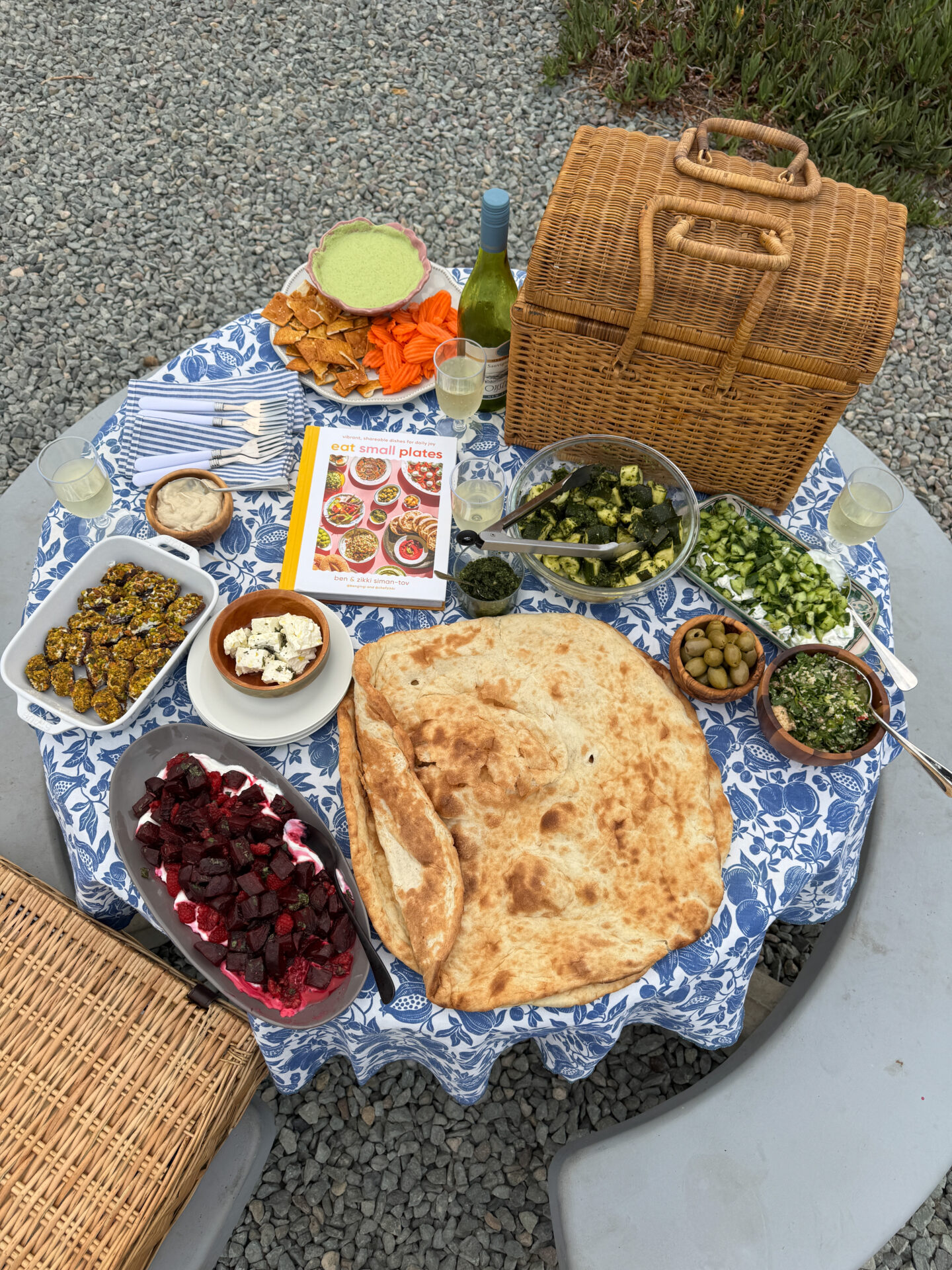
Tip 1 is key. This is not the time to crowdsource the entire friend group. Four to five people is the sweet spot. It keeps:
- The table manageable
- The cooking realistic
- The conversation intimate
And if one month someone wants to bring a +1? It still feels like a dinner party — not a catered event. Smaller groups also mean everyone actually cooks. No hiding behind a store-bought baguette (unless that’s the assignment).
TIP: We had some months where we all decided to bring plus 1’s (like in the summer, and we included our husbands), and other ones we kept it small and intimate.
2. Treat the First Meeting Like a Planning Night
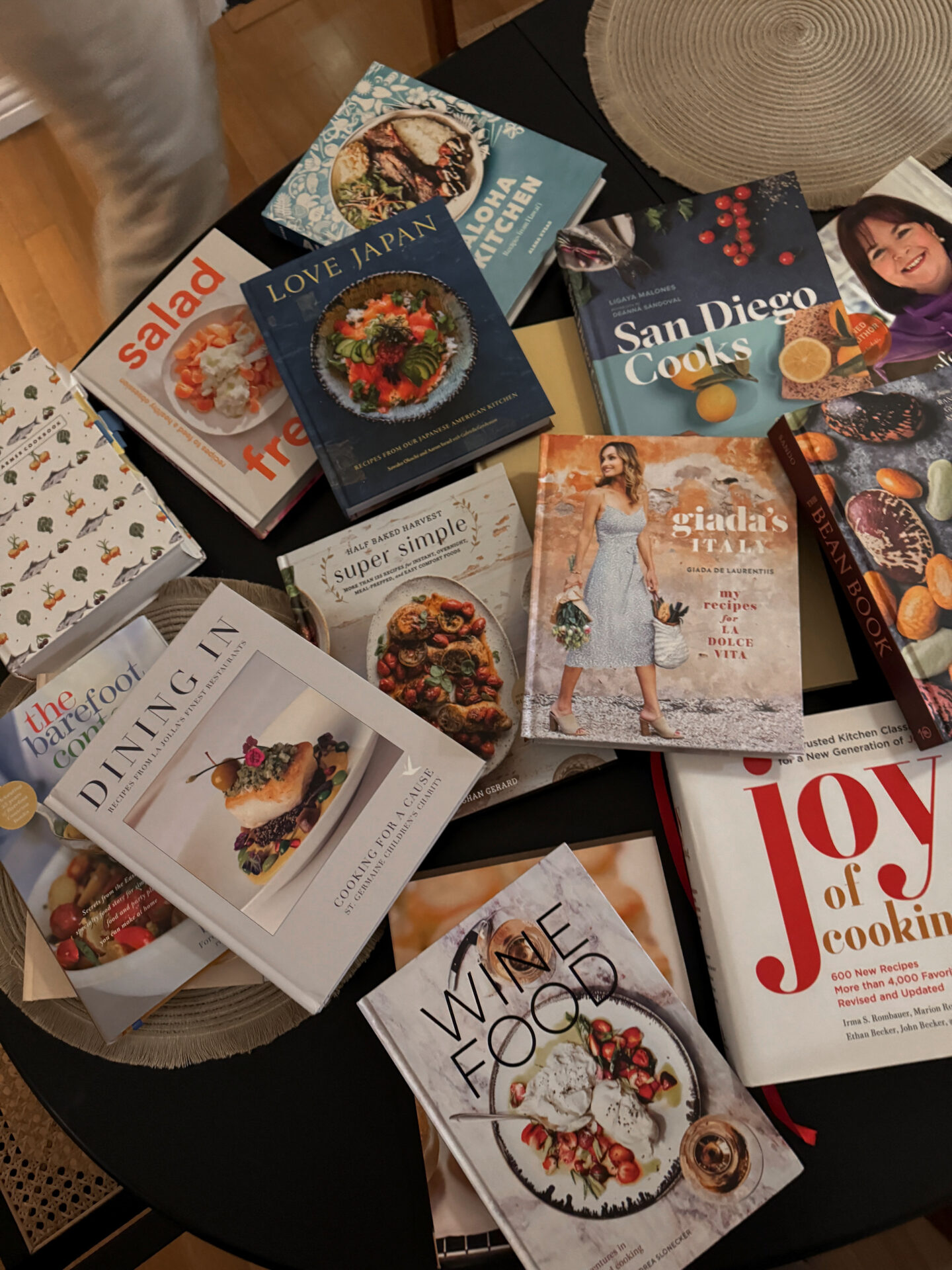
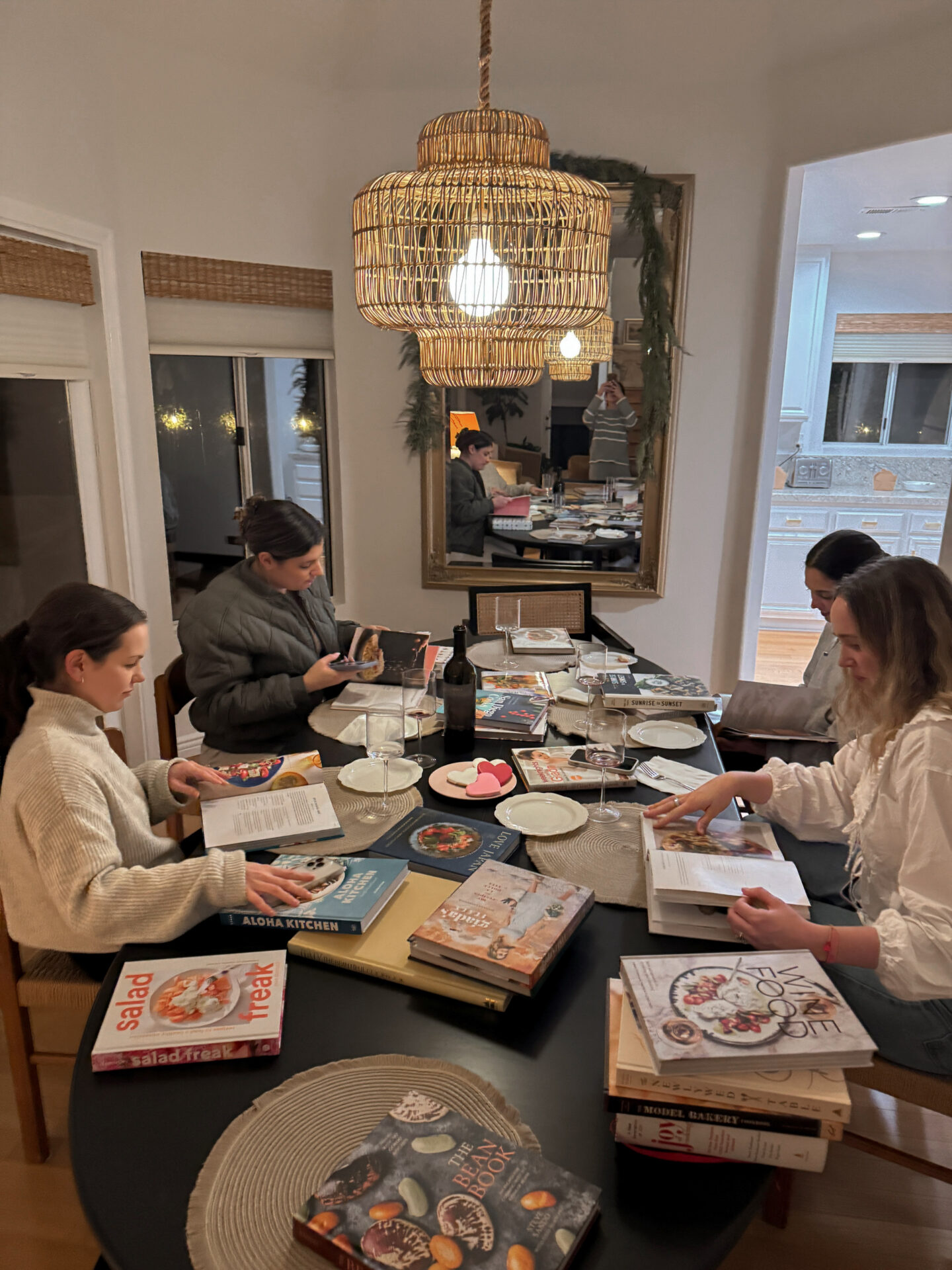
This is the part that makes it stick and actually it’s very important for keeping the meetings happening! For your first gathering, have everyone bring:
- Five favorite cookbooks
- Their calendar
We poured wine, snacked on charcuteries, flipped through pages, bookmarked recipes, and debated themes before making any decisions. It felt indulgent and slightly Type-A — which is exactly why it worked.
Before the night ends, you should have:
- Hosts assigned for each month
- A cookbook (or theme) chosen per month
- Tentative dates locked in
TIP: After spending some time looking through books, we each selected our 2 favorites to present to the group and explain why the book should be in our rotation.
3. Everyone Brings One Dish — No Exceptions
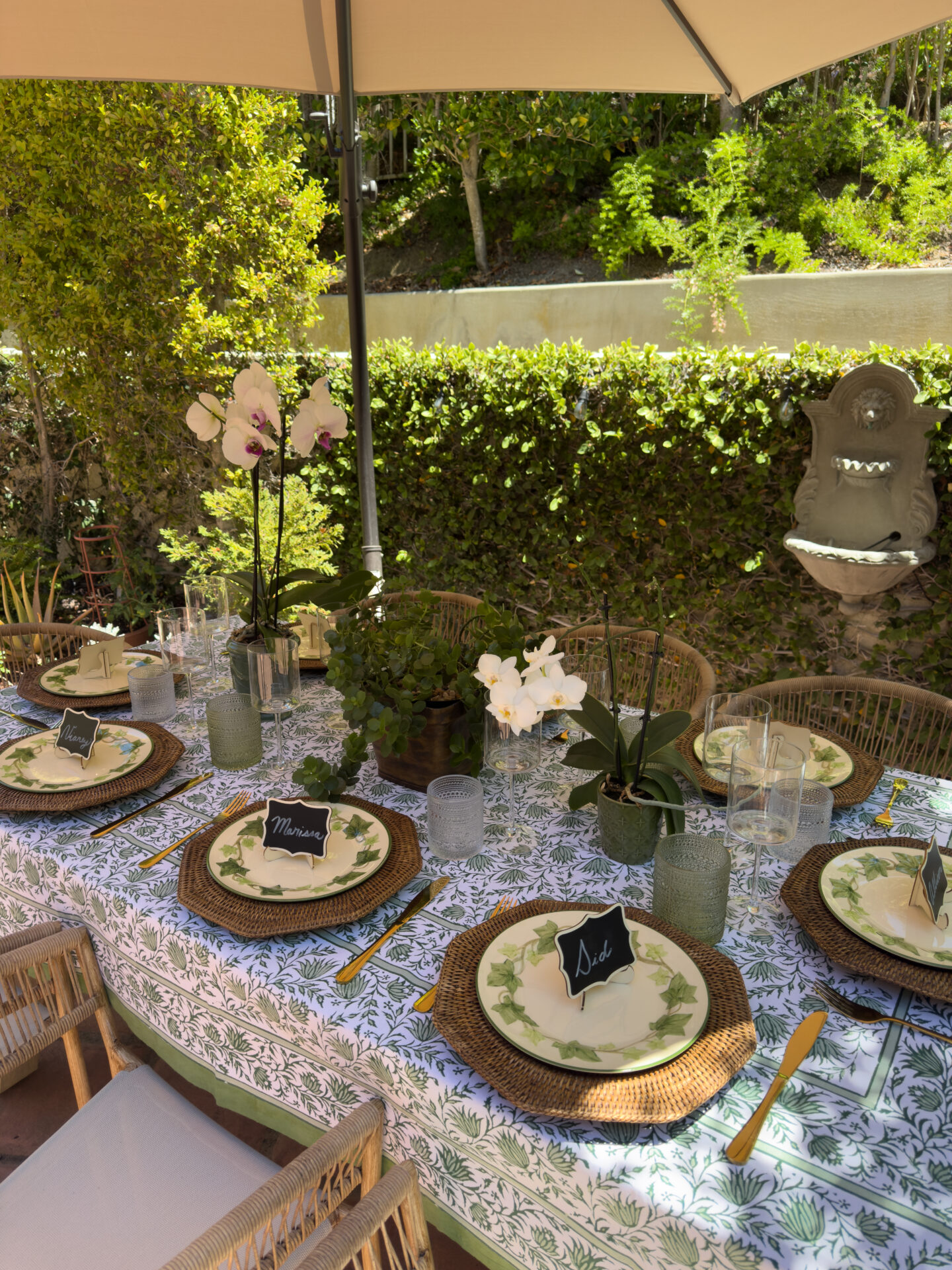
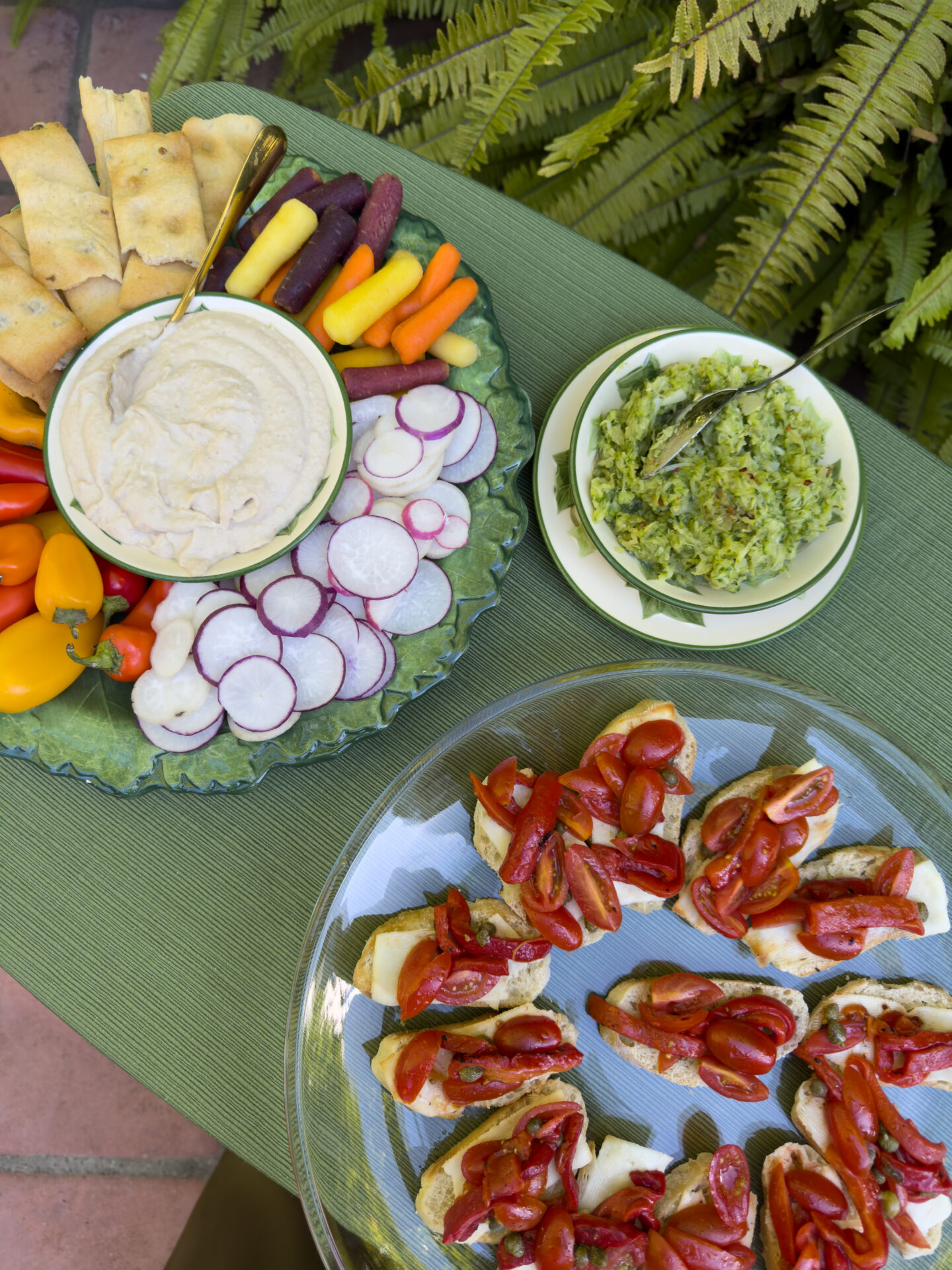
Every month:
- Each member picks one recipe from the selected cookbook
- Rotate categories (appetizer, main, dessert, cocktail)
One month you’re on dessert duty. The next month you’re tackling a main you’ve never attempted. Typically, the host will cover the main dish and an appetizer (or dessert), but you can do what works for you.
The point here is to stretch yourself. Cookbook club is not about making your signature pasta again. It’s about trying the thing you bookmarked and never attempted!
4. Present Your Dish Like You’re on a Cooking Show
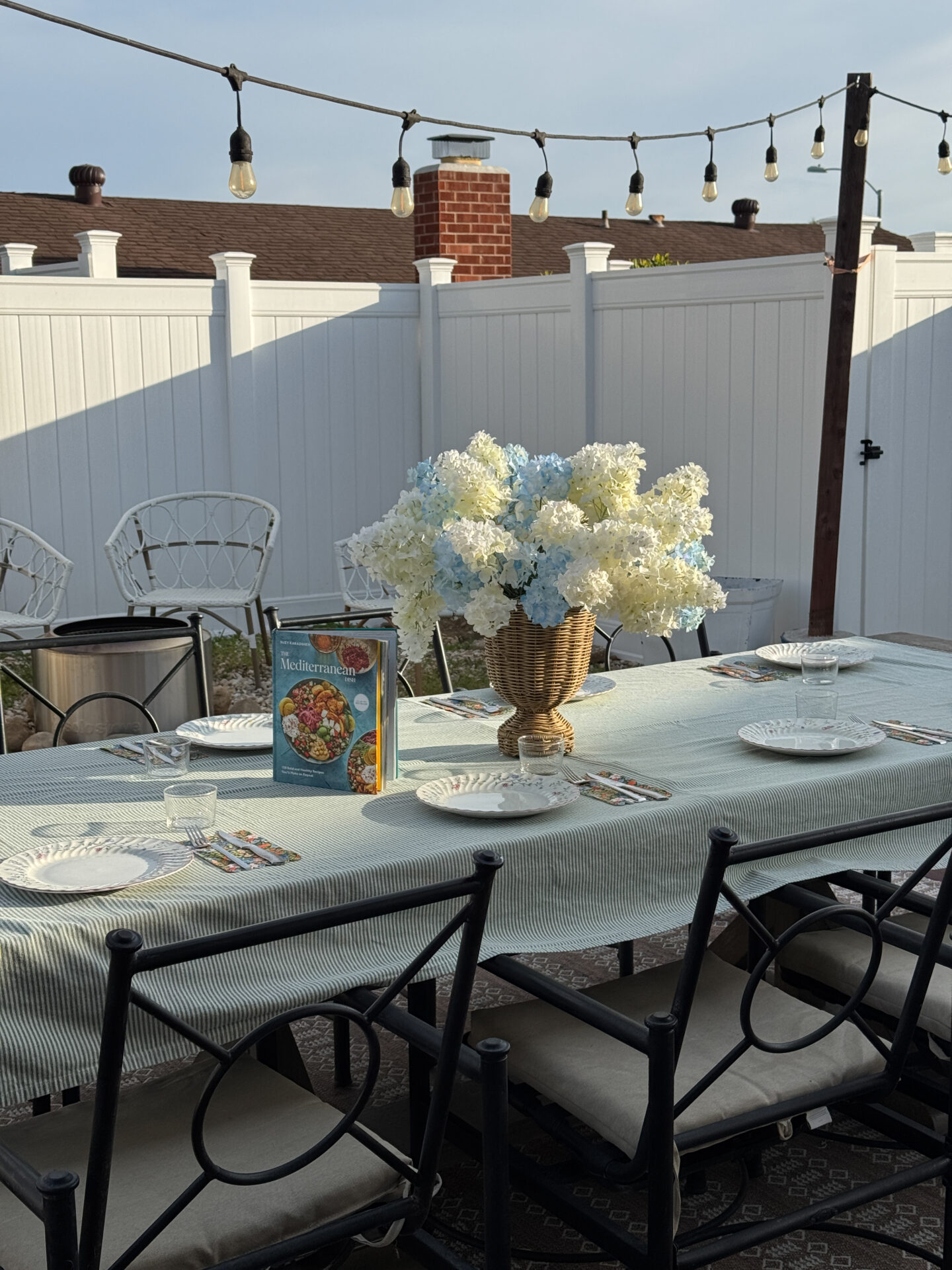
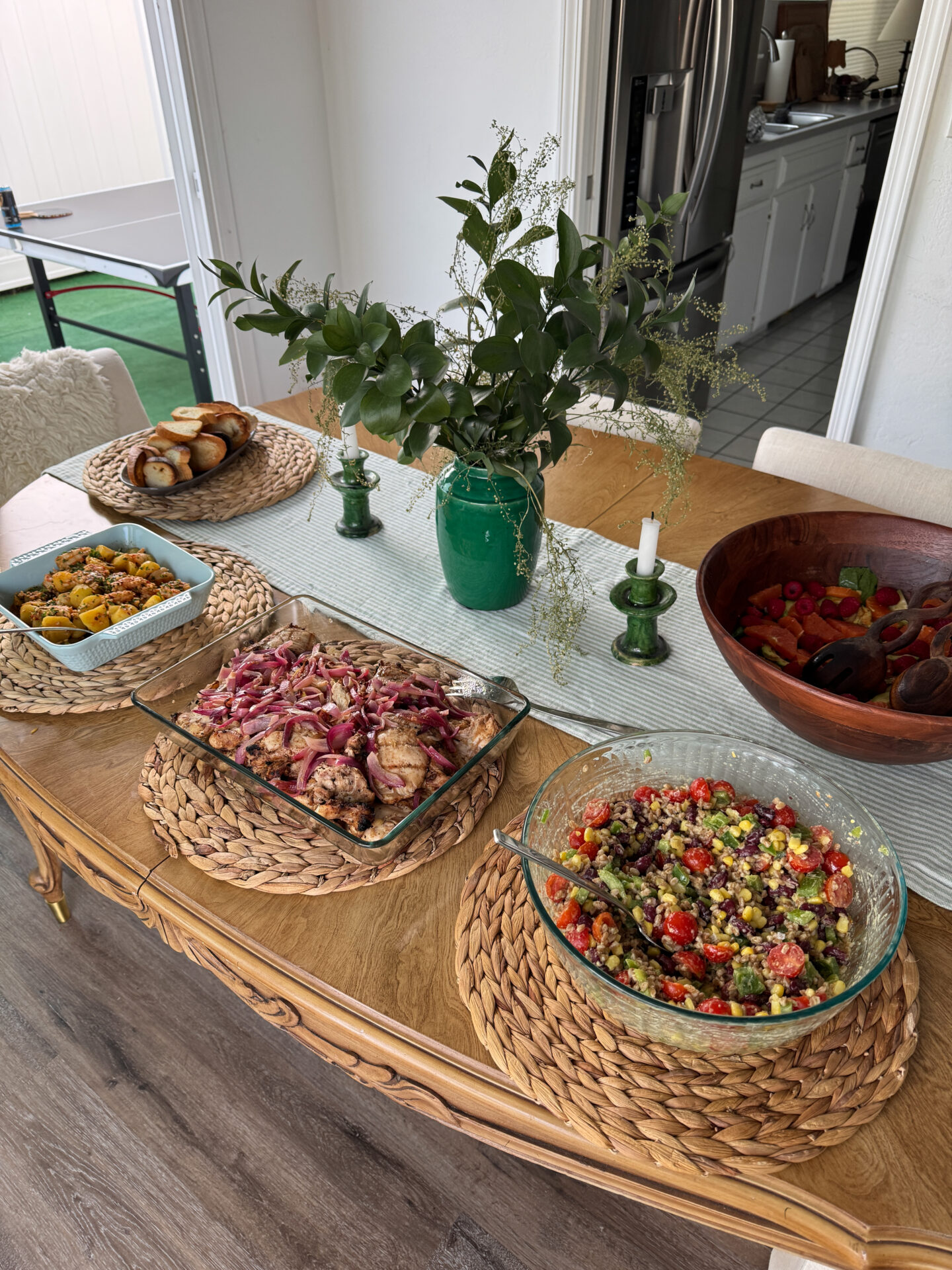
This is where it gets fun. When everyone sits down, each person introduces what they brought:
- What it is
- What’s in it
- How difficult (or surprisingly easy) it was
- Any substitutions or drama along the way
It sounds extra. It’s not. It makes the night feel intentional — not just “we all brought food.” You start noticing textures, flavors, techniques. It turns dinner into an experience.
And honestly? It makes you a better cook. Then at the end of the evening, feel free to debate how you felt about the dishes overall and the cookbook in general. Is it a repeat? Or a flop? It’s basically like being in a book club, but it’s a cookbook club edition.
5. Designate an Archivist (Future You Will Be Grateful)
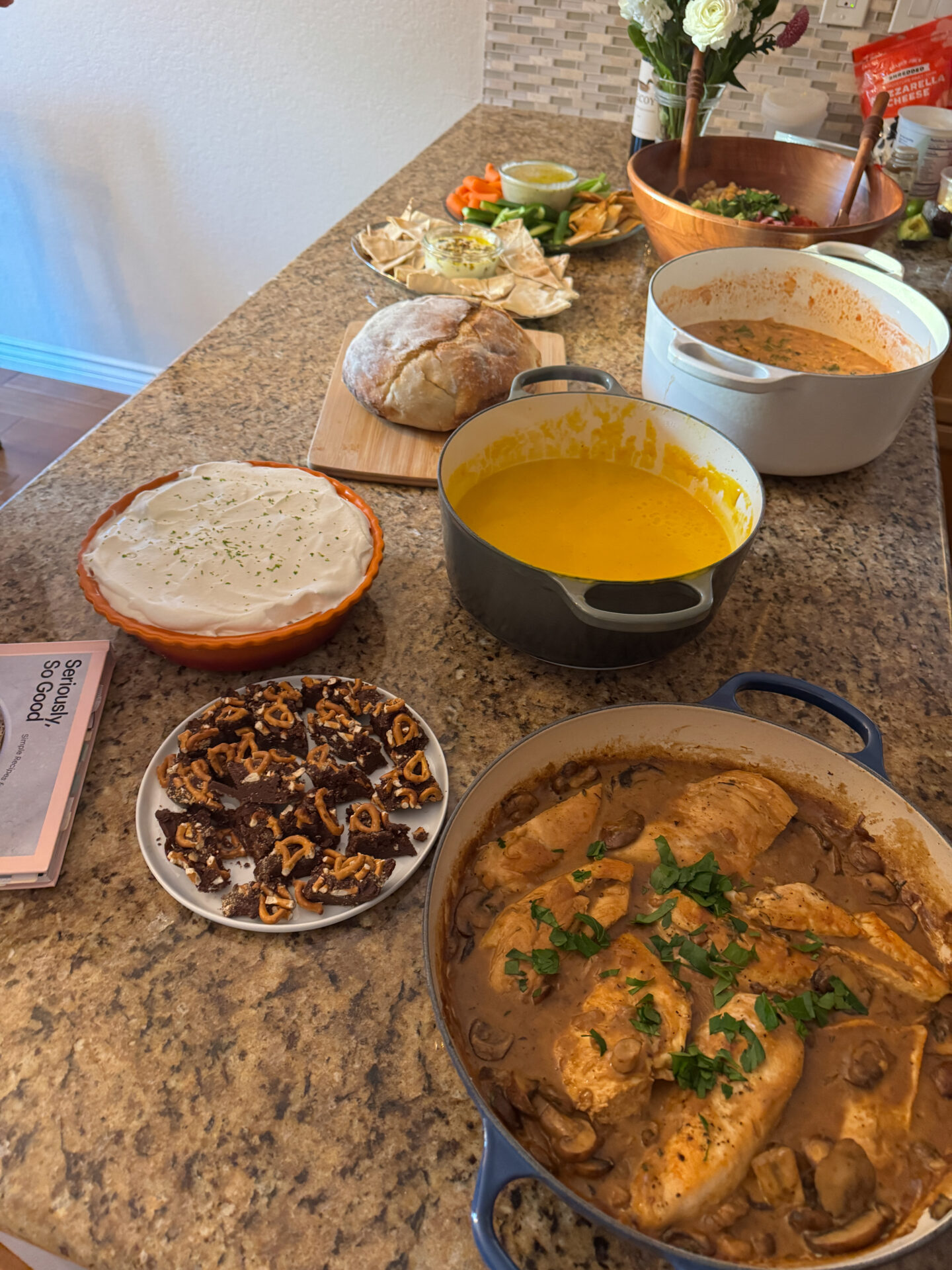
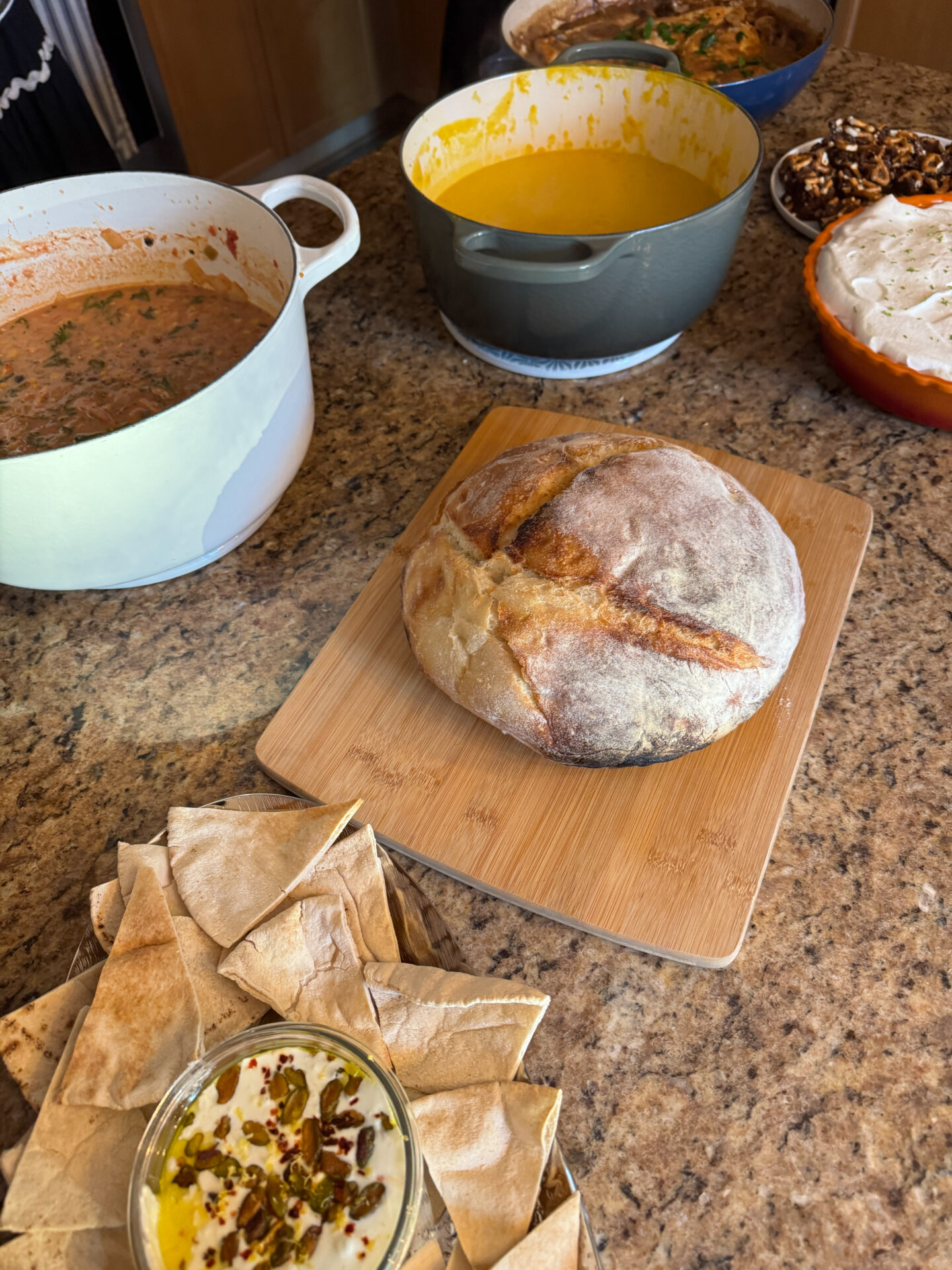
This tip may seem over the top, but you’ll thank me later! Choose one person to keep track of each meeting’s recipes, books, and notes:
- Cookbook
- Recipe name
- Who made it
- Notes (crowd favorite? make again? never again?)
At the end of the year, compile everything into a mini cookbook. Add photos if you have them. Print it. Bind it. Make it cute. You’ll have a physical record of your year — the meals, the laughter, the “remember when we tried to flambé?” moments. Or, if you’re feeling digital? Just drop it in a cute template and call it a day!
Our Group’s Key Takeaways
Other than these 5 tips for getting your cookbook club off the ground, there were a few more things our club realized month over month.
- Don’t be afraid to skip a month (or two)! The reality is, some months are just incredibly busy (like the summer). Think ahead while planning and don’t be afraid to hit #skip.
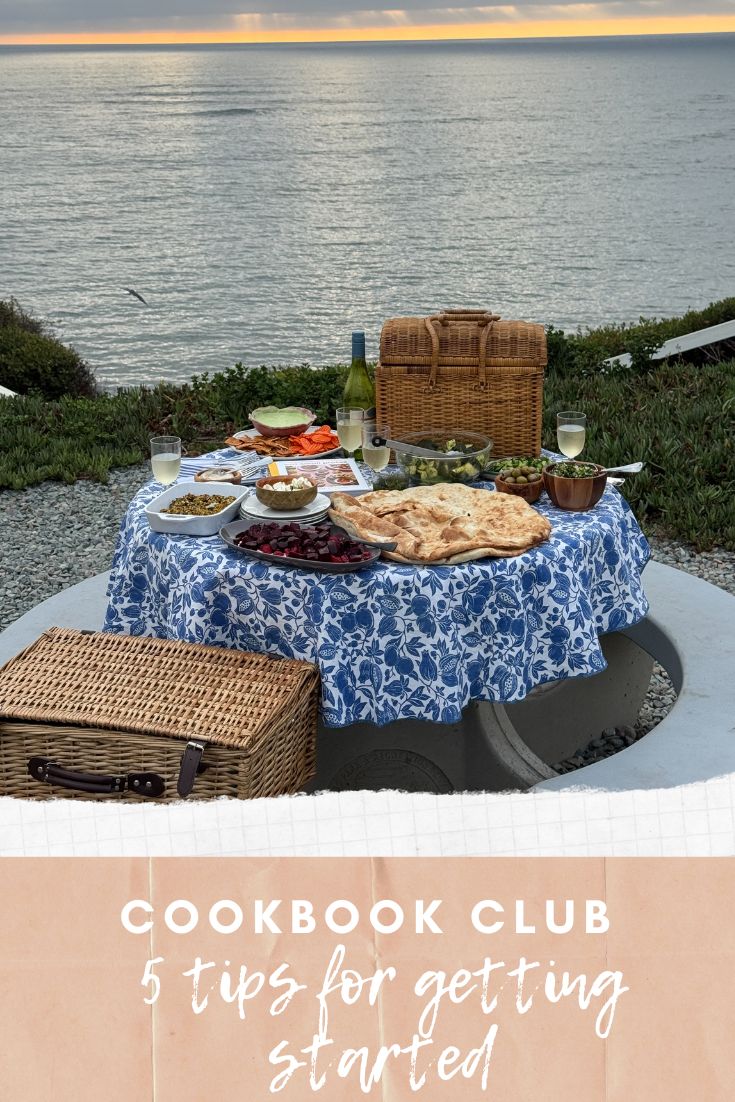
- Get creative on where and when you’re meeting. We found that Sunday evenings worked best for our schedules, but don’t hesitate to get creative on the menu and meeting location. Towards the end of summer, we decided on a picnic that focused on appetizers. You could also plan a brunch meeting and focus on breakfast. Doesn’t always need to be dinner 🙂

Find my cookbook recommendations here.






Leave a Reply